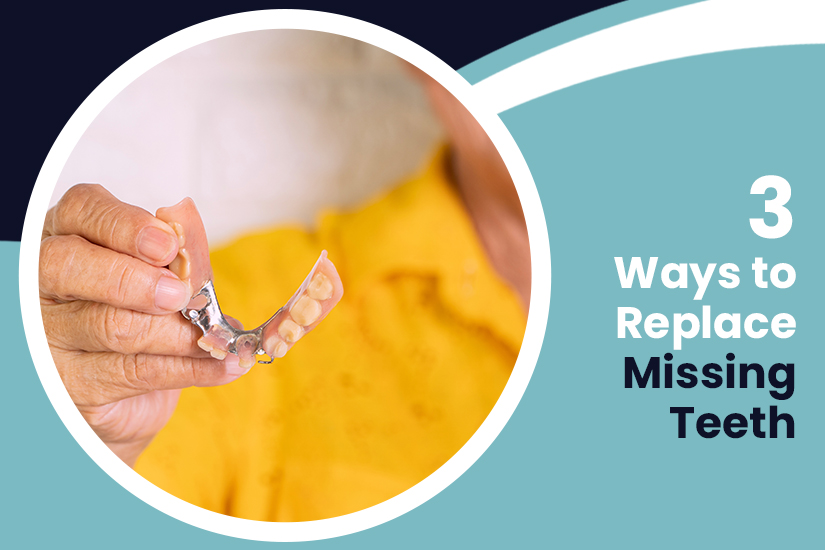
3 ways to replace missing teeth
15th Sep 2026

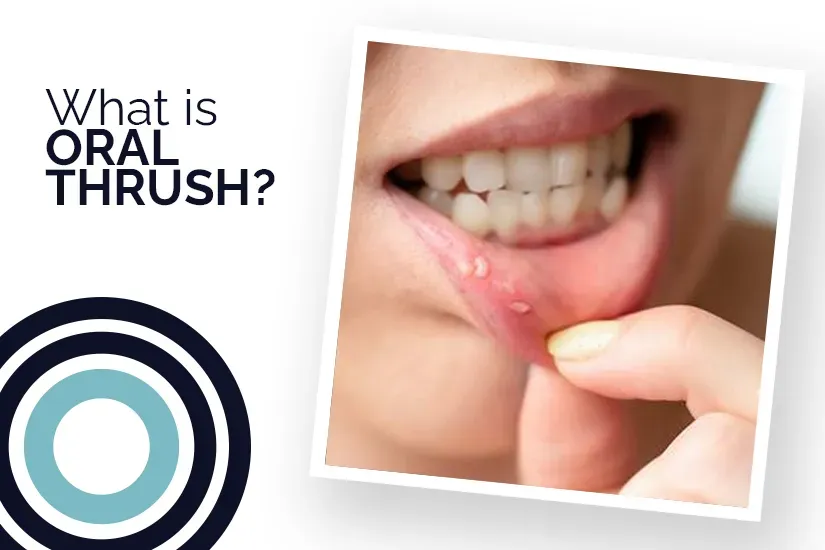
This condition is also called oral candidiasis. It occurs when the fungus Candida albicans accumulates in your mouth lining.
This organism is normal in the mouth, but it causes symptoms, including lesions on the tongue and the inner cheeks when it overgrows. Sometimes, oral thrush may spread to the roof of the mouth, tonsils, gums, or back of the throat.
Anyone can have oral thrush, but it is more prevalent in children and older adults because of their reduced immunity. This condition is a minor problem but can be severe and difficult to control if you have a weakened immune system.
If oral thrush is related to cancer or a weakened immune system caused by HIV/AIDS, the lesions may spread to the oesophagus and cause difficulty swallowing. This pain may feel as though food is stuck in your throat.
Infants, in addition to the white mouth lesions, will have difficulty feeding and become irritable and fussy. They can transfer this condition to their mothers during breastfeeding, and the mother may pass it back to them as they feed.
Oral thrush has the following symptoms in breastfeeding mothers;
It is essential to report to the doctor when you notice white lesions in your mouth or your child’s. Though thrush is uncommon in healthy children, it is essential to let your doctor know to determine its cause if it develops.
Oral thrush develops when the immune system is not strong enough to repel harmful organisms or balance the good and bad microbes. When this happens, your body allows excessive multiplication of candida fungus, thereby leading to oral thrush.
People may have an increased risk of oral thrush infection if they have the following;
Oral thrush is usually not a challenge for healthy children and adults. However, oral thrush can be pretty severe for people with lower immunity from HIV/AIDS or cancer treatment.
When the immune system is weaker, thrush may spread to other parts of the body, including the oesophagus.
The following will help you reduce your risk of having an oral thrush infection;

Request a Callback
Leave your details and one of the team will be in touch within 24 hours to help you